UTILITY INSTALLATION
There are several types of utilities we can install for you, including:

SEWER LINES
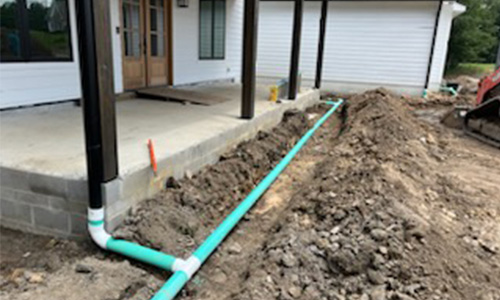
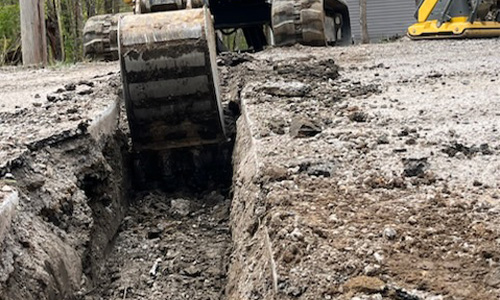
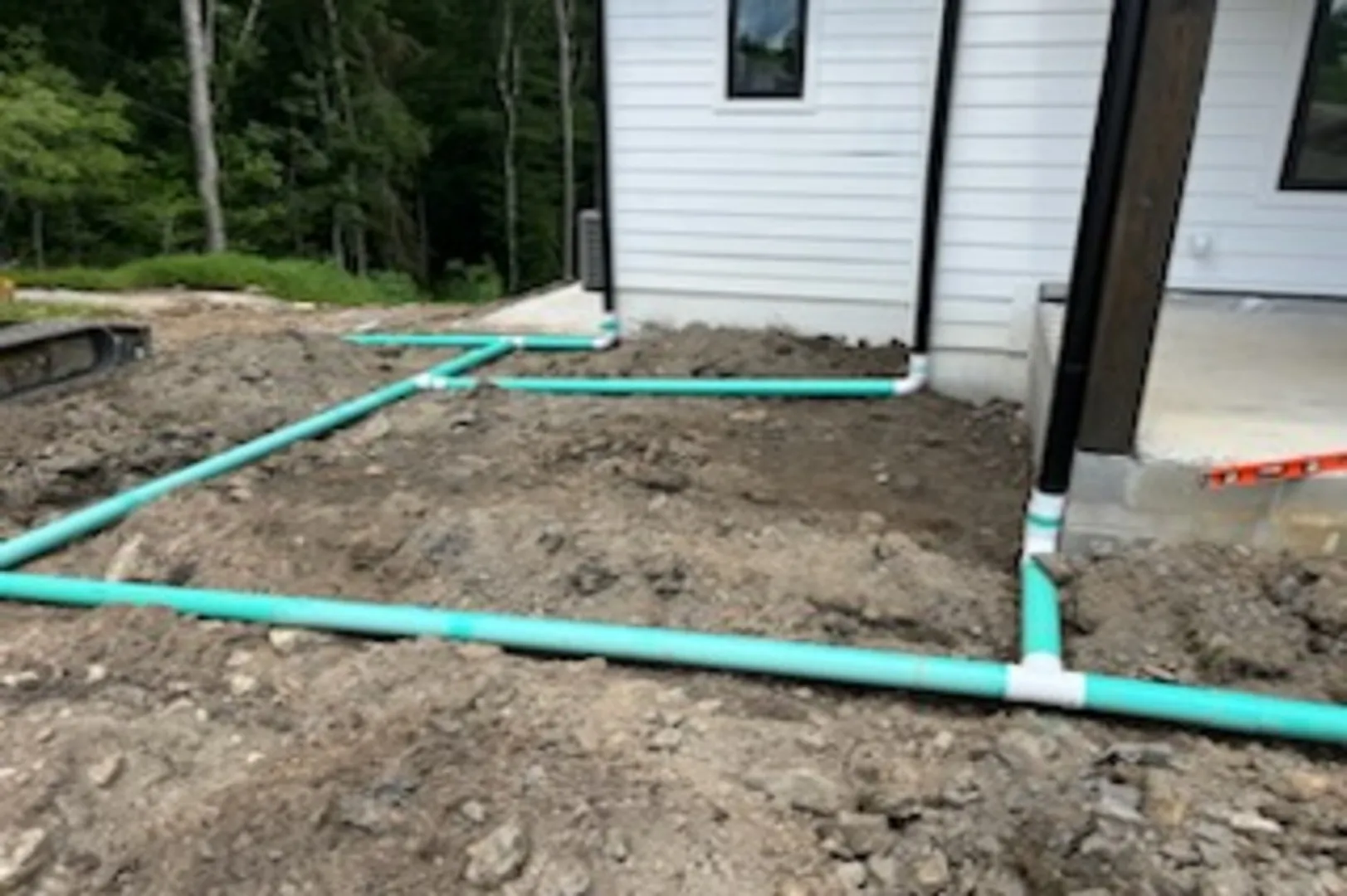
Sewer lines are installed underground to remove liquid and solid waste from homes and businesses. Proper installation is essential to ensure the safe flow of wastewater away from living areas to help prevent harmful health effects and prevent contamination.
TYPES OF SEWER LINES
SANITARY SEWER LINE
Carries domestic wastewater from homes and businesses to treatment plants.
STORM SEWER LINE
Collects rainwater runoff from streets, roofs, and other surfaces, and discharges it into water bodies or underground storage.
COMBINED SEWER LINE
Collects both sanitary wastewater and stormwater runoff in a single system, often found in older cities.
FORCE MAIN
Pressurized sewer line used to transport wastewater uphill or over long distances.
INDUSTRIAL SEWER LINE
Handles wastewater from industrial processes, which may contain chemicals or pollutants requiring specialized treatment.
DIRECT BURIAL LINES
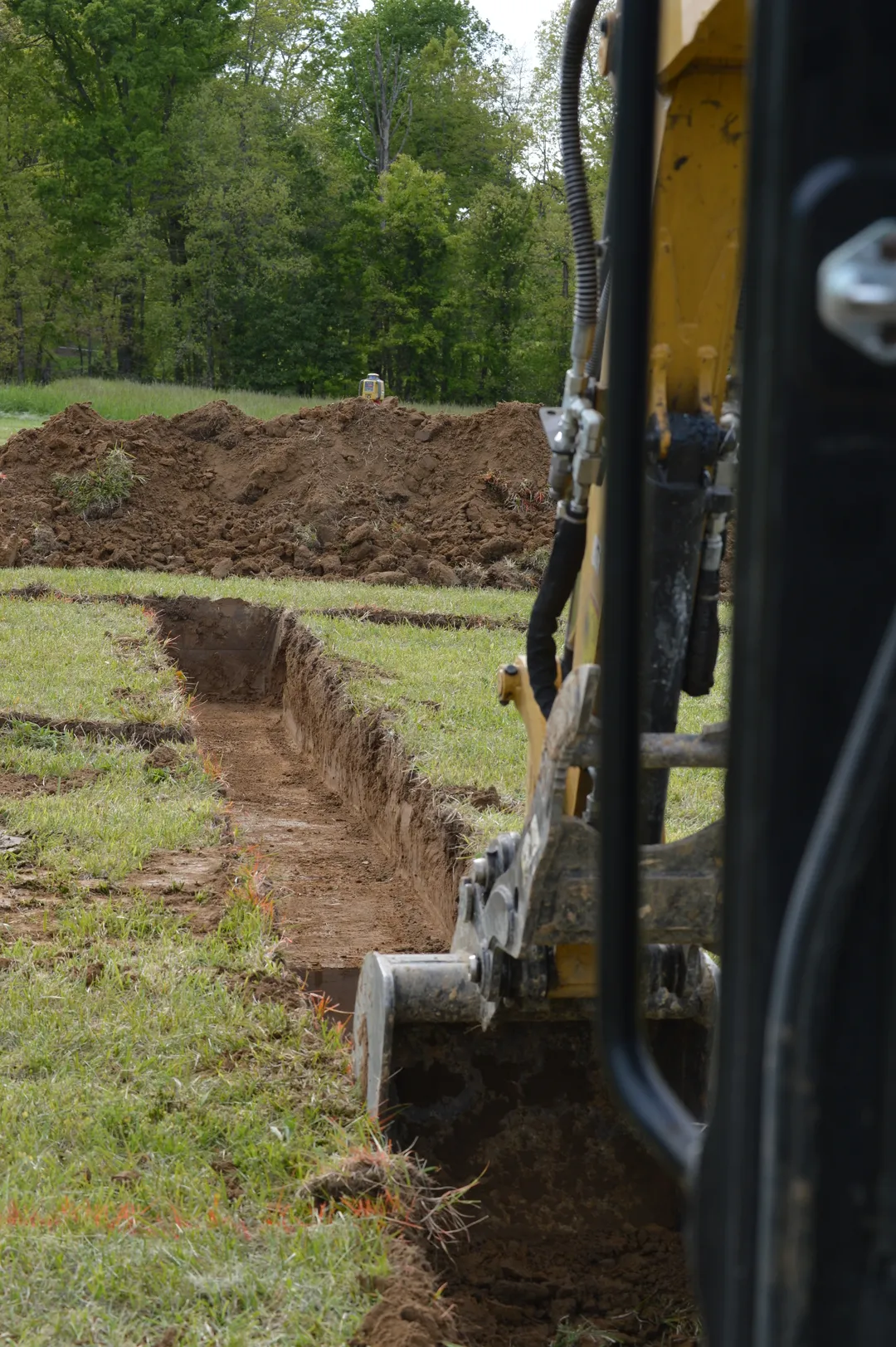
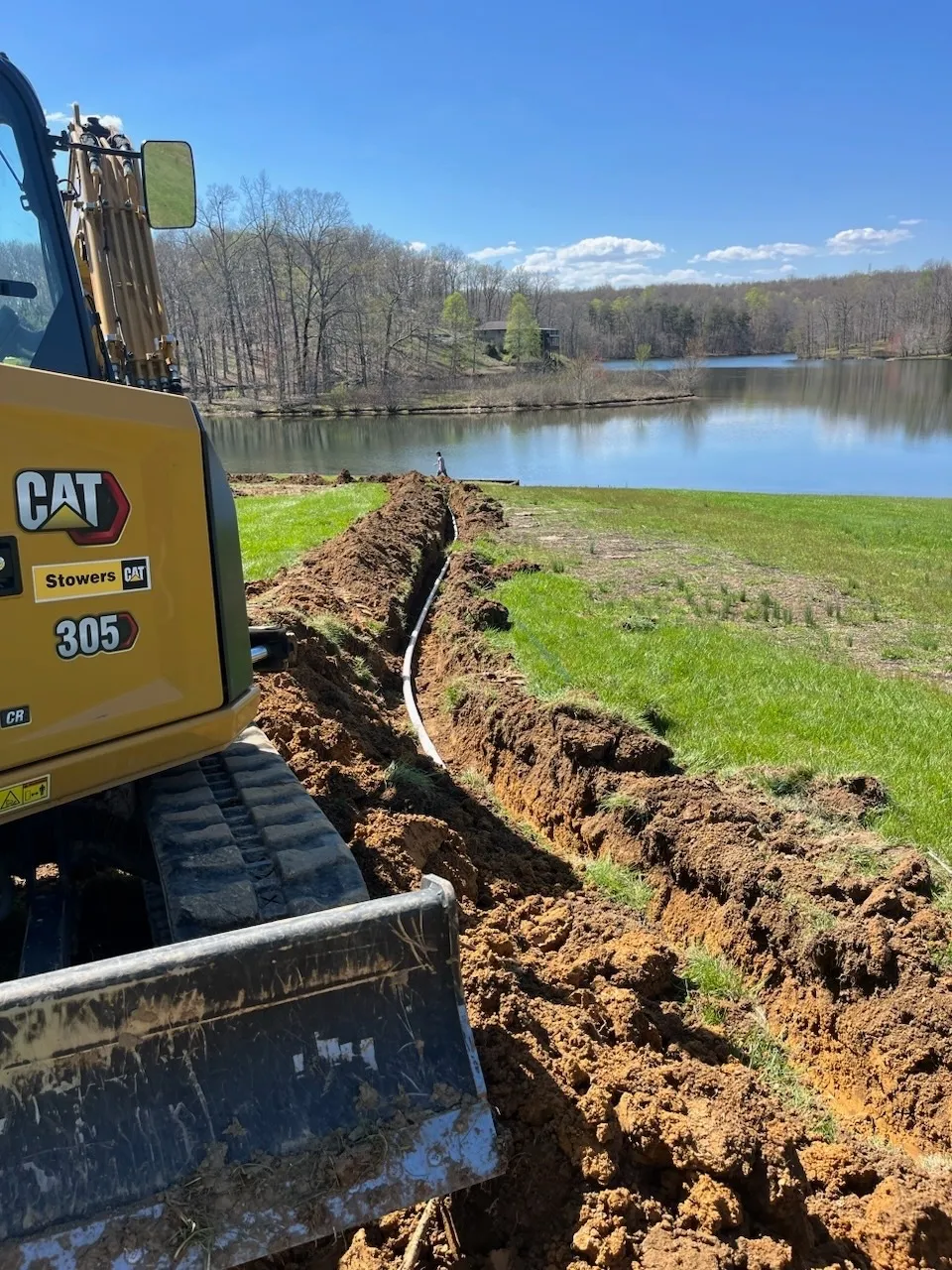
Direct burial line installation is crucial for the efficient and secure placement of utility lines. It eliminates potential damage, ensures uninterrupted service, minimizes maintenance needs, and protects the cables from external factors like weather, accidental disturbances, or degradation over time.
TYPES OF BURIAL LINES
FIBER – OPTIC CABLES
Fiber optic cables can transmit large amounts of data, including voice, video, and data signals, without experiencing interference or performance degradation.
TELEPHONE LINES
These cables are the physical connections that carry voice and data signals between telephone exchanges, homes, and businesses. They pass through a complex system of underground lines that span across cities and countries.
COAXIAL CABLES
Coaxial cables are commonly used in telecommunication systems, cable television systems, and computer networks. They are also used for connecting antennas to radios and televisions. One of the advantages of using coaxial cables is that they can transmit signals over long distances with minimal loss of signal quality.

WATER LINES
Water utilities are installed underground to distribute potable water to various residential and commercial locations. Underground installations help to prevent exposure to freezing temperatures and harsh weather conditions that can damage pipes.
UTILITY INSTALLATION
There are several types of utilities we can install for you, including:

SEWER LINES
Sewer lines are installed underground to remove liquid and solid waste from homes and businesses. Proper installation is essential to ensure the safe flow of wastewater away from living areas to help prevent harmful health effects and prevent contamination.
TYPES OF SEWER LINES
SANITARY SEWER LINE
Carries domestic wastewater from homes and businesses to treatment plants.
STORM SEWER LINE
Collects rainwater runoff from streets, roofs, and other surfaces, and discharges it into water bodies or underground storage.
COMBINED SEWER LINE
Collects both sanitary wastewater and stormwater runoff in a single system, often found in older cities.
FORCE MAIN
Pressurized sewer line used to transport wastewater uphill or over long distances.
INDUSTRIAL SEWER LINE
Handles wastewater from industrial processes, which may contain chemicals or pollutants requiring specialized treatment.
DIRECT BURIAL LINES
Direct burial line installation is crucial for the efficient and secure placement of utility lines. It eliminates potential damage, ensures uninterrupted service, minimizes maintenance needs, and protects the cables from external factors like weather, accidental disturbances, or degradation over time.
TYPES OF BURIAL LINES
FIBER – OPTIC CABLES
Fiber optic cables can transmit large amounts of data, including voice, video, and data signals, without experiencing interference or performance degradation.
TELEPHONE LINES
These cables are the physical connections that carry voice and data signals between telephone exchanges, homes, and businesses. They pass through a complex system of underground lines that span across cities and countries.
COAXIAL CABLES
Coaxial cables are commonly used in telecommunication systems, cable television systems, and computer networks. They are also used for connecting antennas to radios and televisions. One of the advantages of using coaxial cables is that they can transmit signals over long distances with minimal loss of signal quality.
WATER LINES
Water utilities are installed underground to distribute potable water to various residential and commercial locations. Underground installations help to prevent exposure to freezing temperatures and harsh weather conditions that can damage pipes.
OUR RECENT PROJECTS